
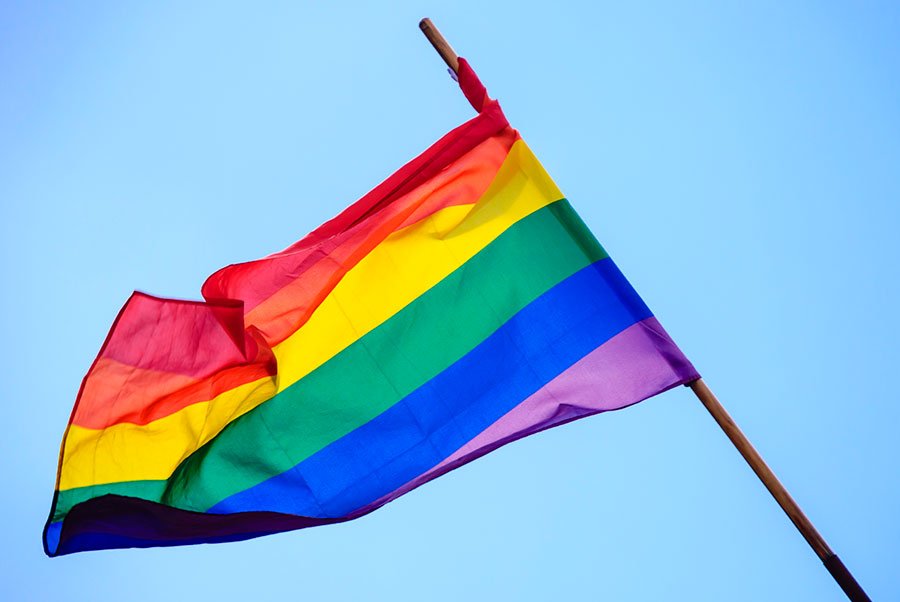
I went to my first Pride like a closeted gay boy walking through the underwear section at Target—pretending to have a calm, collected countenance, but so desperately wanting to shout for joy at God’s amazing creation: the underwear model. It was important to me that people assume I was a supportive outsider, so I tried to appear as though I was a simple community member doing my civic, neighborly duty, politely waving a rainbow flag. I walked around Pride as a subdued supporter of my local LGBTQIA+ community.
During that hot June in Colorado, I had already told a smattering of close friends and the staff of a local LGBTQIA+-affirming church that I had “same-sex attractions.” But to be honest, I wasn’t yet fully okay with myself. I was teetering on the fence: could I embrace myself or simply live as a straight person, inconspicuously window shopping the LGBTQIA+ life?
Then, I fully believed that to come out was to admit that I was a sexual deviant. I thought that my body—its cravings, yearnings and involuntary reactions—were a mistake for which I’d pay the price by living alone, forever.
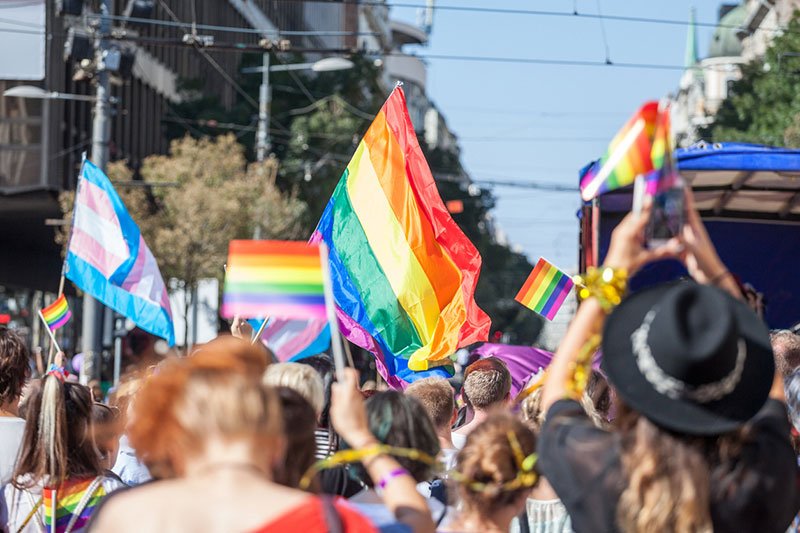
As you can infer, I hadn’t quite yet fully understood the premise of Pride, nor the essence that sustains it.
LGBTQ+ Pride is a season when we’re called to celebrate who we are—our identities, our community’s history of strife and perseverance and our ability to thrive…just like everyone else.
But what took me the longest to learn was that I was valuable because I was part of the queer community, not because I hid myself from it.
Now, several years later as an out Bisexual gender non-conforming person—a far reach from that 26 year-old ‘supportive community member—I have learned to also embrace my choices and my lifestyle. And this, to me, is the essence of Pride.
Choice and lifestyle have often been trigger words, weaponized language used against the LGBTQIA+ community to demean and shame us. But in my world, they have become the pillars of my Pride.
Now that I fully love who I am, I want to shout from the mountain tops that I am proud of my choice to embrace who I am; my choice to let myself visit a gay bar, my choice to ask God what God thought of me; my choice to say, “Its none of my business what straight homophobes think of me.” You better believe that I chose to fall in love with my queer, gender non-conforming self. And dang it, I earned the ability to do so! I spent years in therapy, choosing to fight against the voices of shame and self-hatred that left my body quivering in fear. For me, embracing Pride has been a long-fought-for choice.
And better yet, I created a lifestyle of which I am utterly proud. I love the home I created with my partner, Joe. I love the way we go for runs after work, the way he loves my niece and nephew. I love my career, one in which I have taken the harmful messages of transphobia and homophobia and turned them on their heads to liberate all members of the LGBTQIA+ community. I love the lifestyle that I’ve found working with the LGBTQIA+ community, advocating for others to affirm themselves and experiencing gay love. I created a lifestyle—you bet! And I LOVE it!
How long have you spent telling yourself that you don’t measure up, that you aren’t as important, that you deserve to live a small, secretive life? When we embrace who we are and take up the courage to express that openly, we make one hell of a choice. When we choose to be happy, healthy, and successful we create lifestyles that lead to greater life satisfaction.
Little by little, I started to live out—outwardly expressing the choices and lifestyle that tell the world just how beautiful LGBTQIA+ life and love can be. In this light, coming out didn’t just mean that I told people about my sexual orientation.
Coming out meant internalizing and demonstrating LGBTQIA+ self-acceptance as though Pride were a verb, an action: To Pride energetically. To Pride myself. To Pride openly. To Pride vivaciously, from the inside out. I totally resigned to coming out as a person of Pride when I fell in love with who I am.
Walking through the booths, streets, bars, and parades at Pride celebrations are no longer events I simply window shop. I am proud to be myself. Pride is not only a thing to attend, it is a way of being. So in this light, I wish you a happy Pride!
Don’t stop, my LGBTQIA+ siblings, expressing unconditional self-acceptance—you are the messenger and your message is beautiful. In courageous love like that, you are Pride.
FAQs: Live With Pride in 2025
What does it really mean to live with pride every day?
Living with pride means embracing your authentic self in every setting—not just during Pride Month. It’s about honoring your identity, speaking your truth, and carrying pride into your relationships, work, and personal choices.
How can I show pride beyond Pride Month?
You can live with pride year-round by practicing self-acceptance, supporting LGBTQIA+ organizations, engaging in advocacy, and creating safe, affirming spaces for others in your community.
What are practical ways to support my LGBTQIA+ community in 2025?
Get involved with local or national advocacy groups, volunteer at community centers, attend support groups, or use your voice to challenge stigma. Even small acts—like uplifting queer creators—strengthen the community.
How does therapy help me live with pride?
Therapy provides a safe and affirming space to process challenges, heal from past wounds, and build confidence. At iAmClinic, our LGBTQIA+-specialized therapists walk alongside you in reclaiming your voice and living authentically
Why is living with pride important for my mental health?
When you live with pride, you practice self-acceptance instead of internalizing shame. This strengthens resilience, reduces anxiety and depression, and fosters a sense of belonging.
How can families and allies live with pride alongside LGBTQIA+ loved ones?
Families and allies live with pride by listening deeply, affirming identities, and standing up against discrimination. Sharing in celebrations and advocacy communicates love, support, and solidarity.
If you or a loved one need help to feel more confident and develop a greater sense of pride around your sexuality
We want to help.
