

What is Friendship Counseling?
Friendships, or platonic partnerships, may seek therapy together to navigate challenges in their significant long-term bond. Like romantic relationships, our friendships also need active nurturing and, for some, professional interventions can aid in navigating life changes including new romantic partners, long distances, and values conflicts.
In their book, Big Friendship: How We Keep Each Other Close, co-authors and friends Aminatou Sou and Ann Friedman explore how friendships change and evolve over time and go on to disclose their personal experience attending friendship counseling. An emerging speciality, especially among queer affirming counselors, friendship counseling focuses on communication, interdependence, unpacking relationship hierarchies and fostering sustainable community.
Issues Addressed in Friendship Counseling:
- Communication
- Relationship hierarchies
- Emotional needs
- Boundary setting
- Codependence
- Values conflicts
- Identities
- Grief & loss
- Gender and sexuality
- Becoming a parent
- Navigating long distance
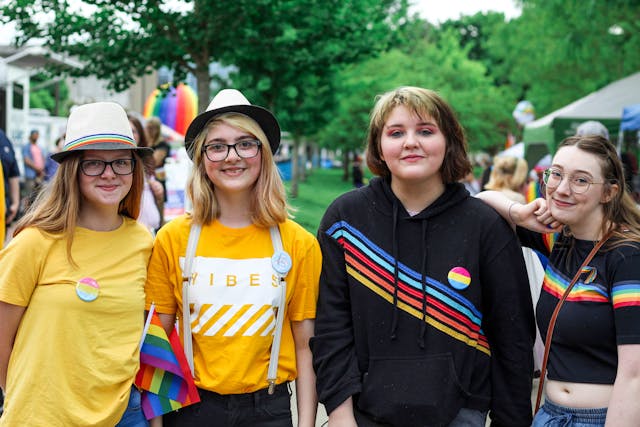
Who is Friendship Counseling For?
Hetero-normative values have long relied on the construct of “relationship hierarchy” which tells us that we should value our romantic connections above all others. We learn that we are not “complete” until we find a romantic partnership. However, these outdated societal expectations are not always aligned with the values of our LGBTQIA+ community. For individuals who identify under the asexual or aromantic umbrella, the idea of prioritizing sexual and romantic partnerships can cause long term harm and isolation. For those with romantic interests, harm may come from feeling disappointment that one person cannot meet every emotional craving. Often it’s only after a romantic uncoupling occurs, that we realize the friendships which we neglected are also in need of deep repair.
“To love well is the task in all meaningful relationships, not just romantic bonds.”
bell hooks, All About Love
What to Expect From Friendship Counseling
Similar to a typical counseling session, your therapist might begin by:
- Gathering background information including treatment histories, relevant diagnoses, and identities
- Examining your reasons for seeking friendship counseling
- Identifying the barriers that may be preventing you from reaching your relationship goals
- Collaborating on a treatment plan that includes your desired outcomes
Where to Begin
If you think that your friendship could benefit from professional counseling, consider the following steps:
- Begin by initiating the conversation within your relationships. Share this blog post, suggest reading Big Friendship, All About Love, or another friendship centered work with your friend group or book club.
- Determine whether you and your friend(s) have the capacity to commit to counseling. This can include honest conversations about schedules, emotional readiness, and financial responsibility.
Reach out and meet with prospective counselors. Here at iAmClinic, our counselors are experienced in working outside of the framework of heteronormativity. We embrace relationships of all types in counseling including platonic, romantic, sexual, and polyamorous partnerships.
FAQ’s
What is friendship counseling?
Friendship counseling is a form of therapy where friends attend sessions together to work through challenges in their relationship. It can help address communication issues, shifting life circumstances, boundary concerns, values conflicts, and the need for repair in an important long-term bond.
Who is friendship counseling for?
Friendship counseling is for friends who want support navigating conflict, distance, changing priorities, grief, identity-related concerns, or relationship transitions. It can be especially meaningful for people in LGBTQIA+ communities, asexual or aromantic individuals, and anyone who values platonic relationships as a central part of their support system.
What issues can friendship counseling help with?
Friendship counseling can help with communication, emotional needs, relationship hierarchies, codependence, boundary setting, values conflicts, grief and loss, gender and sexuality, long distance, and life changes such as becoming a parent or entering a new romantic relationship.
What happens in a friendship counseling session?
In a friendship counseling session, a therapist will usually gather background information, explore why you are seeking support, identify barriers in the relationship, and help create a treatment plan based on your shared goals. The process is designed to help friends build understanding, improve communication, and strengthen the relationship in a sustainable way.
Find Support for Your Journey
If you’re navigating friendships that feel like they need more support- we are here to help!
